FULLBACK FULL OF HEART
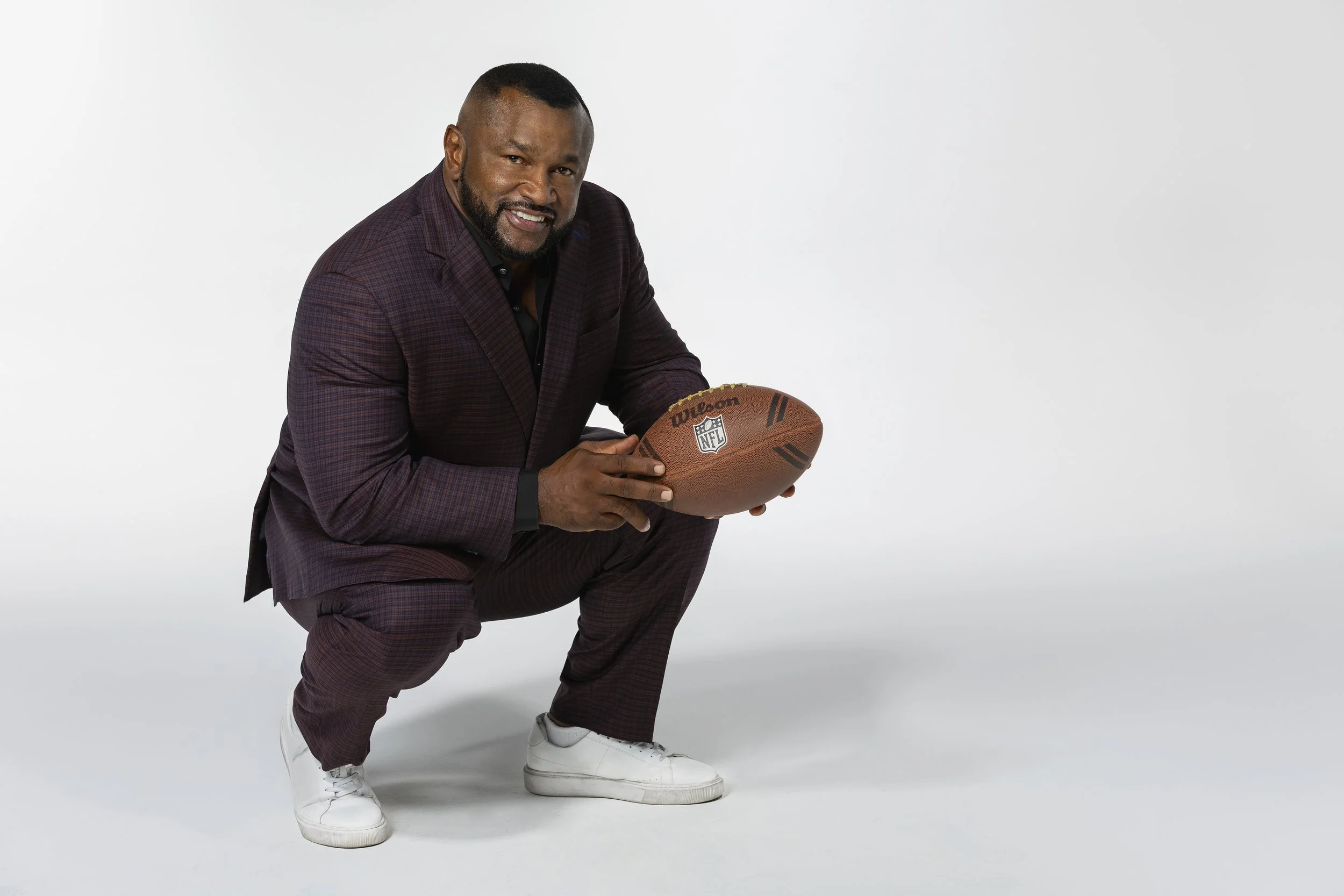
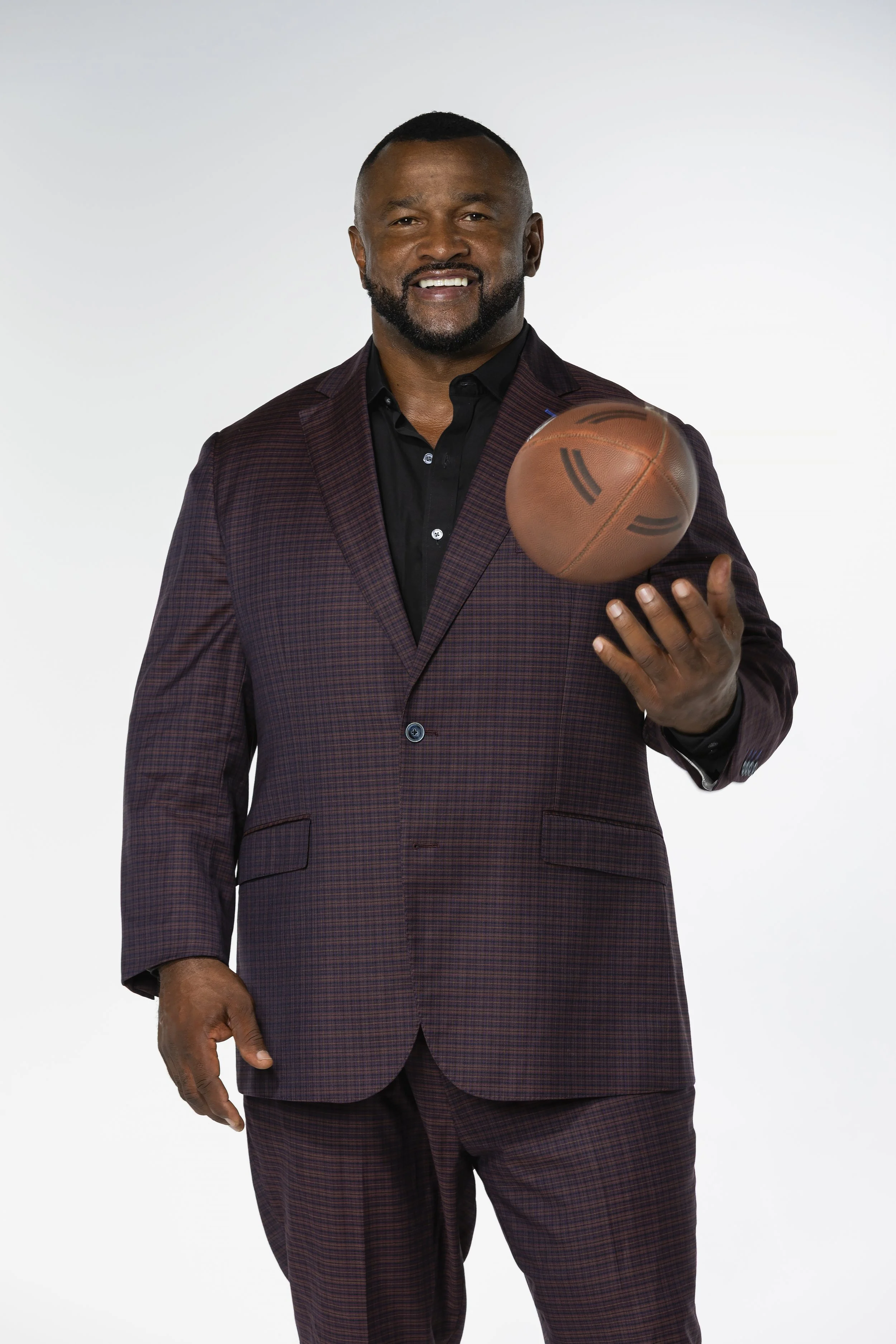
Some people spend a lifetime searching for their purpose. Lorenzo Neal found his early, and then spent decades proving what can happen when talent is matched with grit, discipline, and an unwavering commitment to serving others. Long before he became one of the most respected fullbacks in NFL history, Neal was a small-town Central Valley kid whose greatest lessons weren’t learned on the football field, but at home.
Born in Hanford and raised in Lemoore, Neal developed the work ethic that would become his hallmark while competing in football, wrestling, and track at Lemoore High School. There, he shattered rushing records on the football field, captured a California state wrestling championship, and was ultimately named California’s Male Athlete of the Year in 1989. Yet even with statewide recognition, the values that shaped him came from something far more enduring than trophies.
Growing up just down the street from his grandparents’ home, Neal was raised with a deeply ingrained appreciation for family, faith, and community. “I was raised by a village,” Lorenzo imparts. “Those deep roots with my parents, grandparents, uncles, and cousins taught me that success isn’t something you achieve alone.” Together, they instilled the discipline, humility, and accountability that would become the foundation of his life and the values that continue to guide him today.
One lesson, in particular, has remained with him throughout every chapter of his life. As a teenager, his grandmother shared a piece of advice that seemed simple at the time: “Never take a vacation when the boss is around. They’ll realize how much they don’t need you.” Years later, Neal realized it had become the philosophy behind his career, which remains one of the longest in professional football history. Whether nursing injuries or competing for a roster spot, he became known as the player who consistently outworked and outlasted his competition.
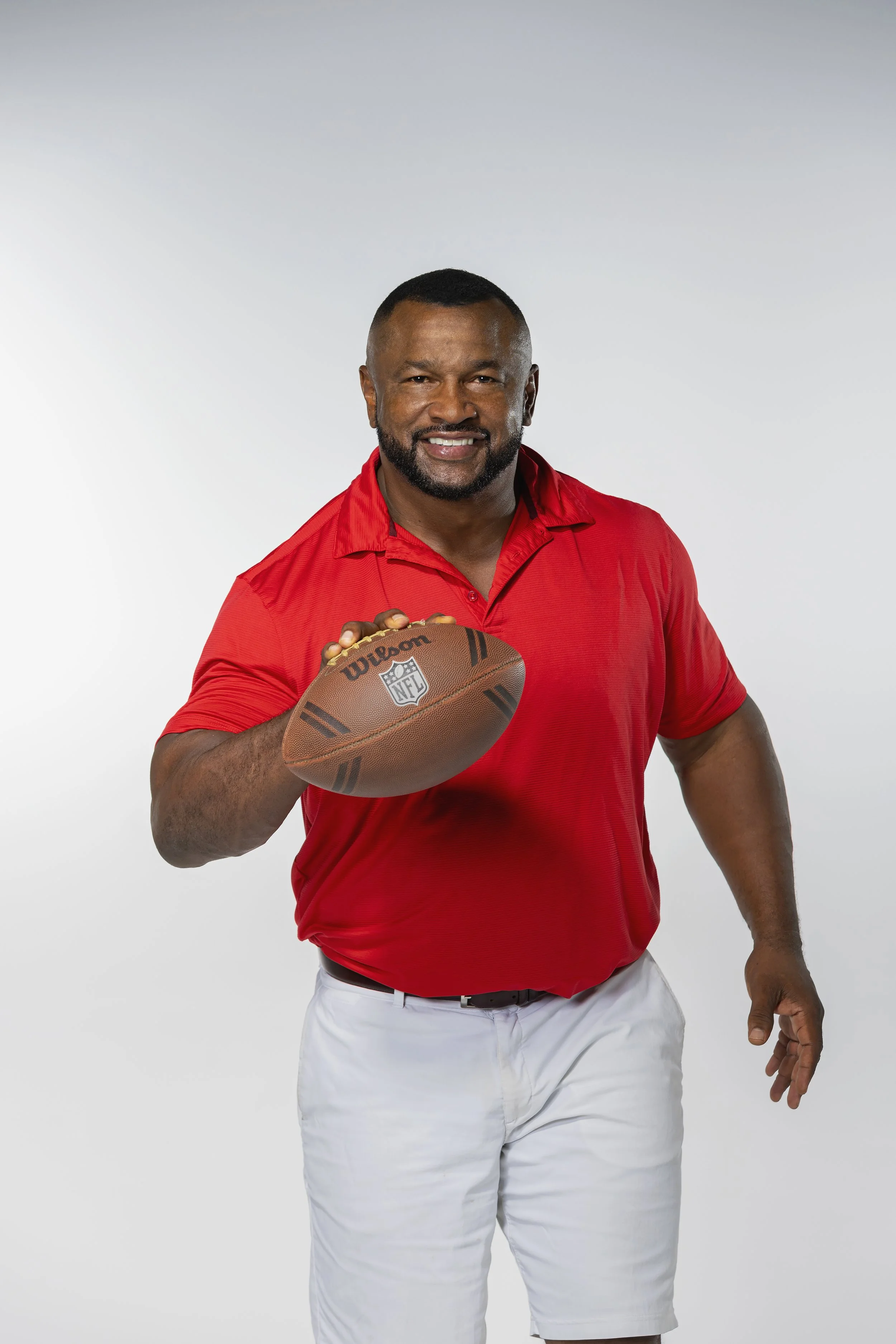
Those same values guided one of the biggest decisions of his young life. Highly recruited by powerhouse football programs—including the University of Oklahoma, where legendary coach Barry Switzer personally pursued him—Neal believed he had found his future. Then his father delivered an answer that changed his course. “Boy, you ain’t going nowhere,” he told Lorenzo. “You’re going to Fresno State.” It became one of the defining moments of Neal’s life.
That same mentality followed him to California State University, Fresno, where he played from 1989 to 1992 and emerged as one of the Bulldogs’ most accomplished athletes. During his collegiate career, Neal rushed for more than 2,400 yards, earned First-Team All-Big West honors twice, and distinguished himself as a standout wrestler, achieving NCAA All-American status. By the time he graduated with a degree in criminal justice, he had cemented his place among Fresno State’s all-time greats.
For many athletes, college success represents the pinnacle. For Neal, it was only the beginning. In 1993, the New Orleans Saints selected him in the fourth round of the NFL Draft with the 89th overall pick as a halfback. His NFL career began exactly as planned—until an ankle injury changed everything. Rather than seeing a setback, Saints Head Coach Jim Mora saw possibility. Pulling Neal into his office, Mora challenged him to embrace a new role at fullback, assuring him that if he fully committed, he could build a decade-long career. Neal took the advice to heart.
Sixteen seasons later, that conversation had become another defining moment of his life. While Neal entered the league as a running back, he ultimately reinvented himself as one of the greatest blocking fullbacks in NFL history. The fullback has long been football’s unsung hero—a player whose success is measured not by personal accolades but by the opportunities he creates for everyone else. Few embodied that role better than Neal.
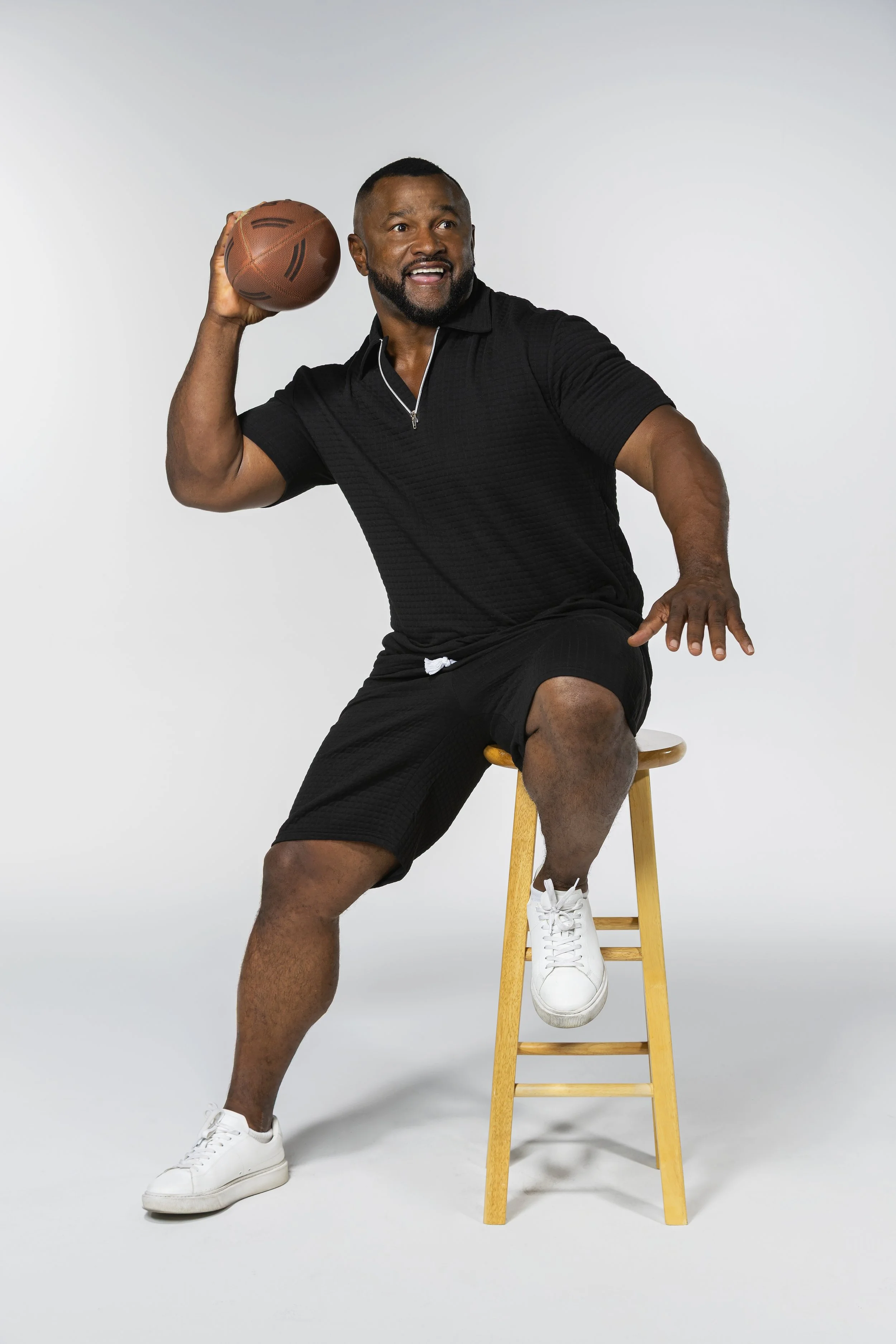
Over the course of his NFL career, Neal helped fuel the success of some of football’s greatest running backs, including Eddie George, Corey Dillon, Warrick Dunn, Adrian Murrell, and LaDainian Tomlinson. With the Tennessee Titans, he played a pivotal role in the unforgettable Music City Miracle, clearing the way on one of the most iconic plays in NFL history. Years later, as Tomlinson’s lead blocker with the San Diego Chargers, Neal helped pave the way for the legendary 2006 season in which Tomlinson set the NFL record with 31 total touchdowns.
Remarkably, Neal served as the lead blocker for a 1,000-yard rusher in 11 consecutive seasons—a testament to both his extraordinary consistency and the selfless style of play that defined one of football’s greatest fullbacks. The accolades followed. Neal earned four Pro Bowl selections, multiple All-Pro honors, and a place on the NFL All-Decade Team of the 2000s. More importantly, he earned something harder to achieve: the unwavering respect of coaches, teammates, and opponents alike.
“It was never about me,” he divulges. “It’s always about the people you surround yourself with. My job wasn’t to get the headlines—it was to help somebody else get there.” Perhaps that’s why his leadership style has never been about commanding attention. Instead, it’s rooted in service. The irony isn’t lost that the man who spent his NFL career opening running lanes has devoted retirement to opening doors for others. Leaving football wasn’t easy. But after nearly two decades in the league, Neal admits the hardest adjustment wasn’t physical—it was discovering who he was after the jersey came off.
Neal then came face-to-face with a new truth: that success isn’t always defined by championships or statistics, but by resilience. Business ventures brought both victories and setbacks, reinforcing the same lessons he’d learned as an athlete: perseverance, humility, and faith. His guiding philosophy remains remarkably simple. Even when life knocks you flat on your back, “if you can look up, you can get up,” Neal reminds himself, and others, time and again. “To be a great leader, you first have to become a great follower. Leadership isn’t about titles—it’s about being willing to do the work nobody else wants to do.”
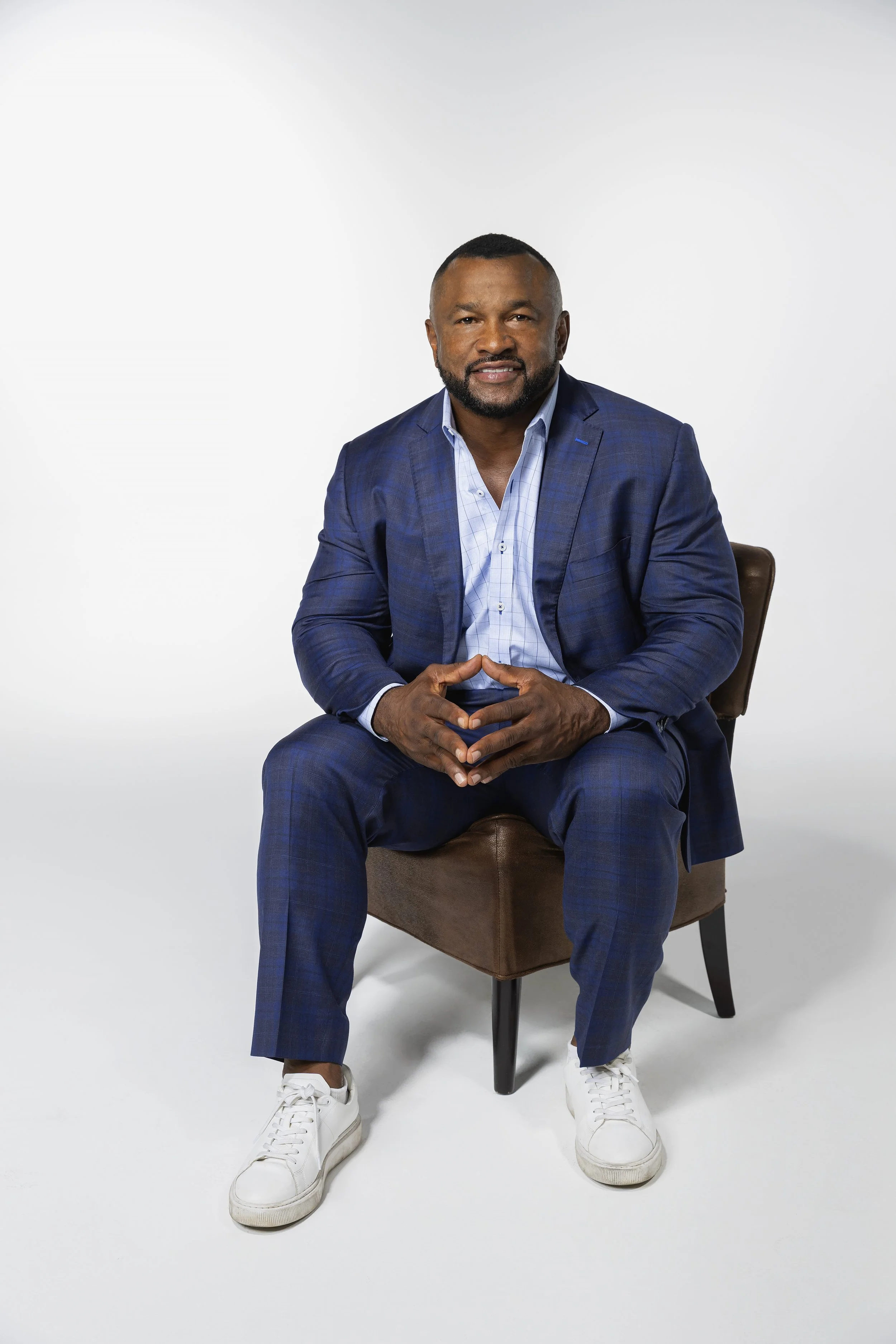
Since retiring from professional football, Neal has remained deeply connected to the game through broadcasting, mentoring, speaking engagements, and community initiatives. Increasingly, however, his focus has shifted toward investing in the Central Valley that invested in him. Rather than celebrating his hometown from afar, he’s chosen to build opportunities here. Whether volunteering at Poverello House, supporting the Marjaree Mason Center, championing the Boys & Girls Clubs, or mentoring young athletes, Neal believes service is a responsibility rather than an obligation. “You don’t do these things because you have to,” he explains. “You do them because we ought to.”
That philosophy extends to one of his newest business interests. The PM Lounge, Fresno’s first private members-only social club, is designed to elevate networking, hospitality, philanthropy, and professional collaboration. The space is aligned with Neal’s vision of creating meaningful connections that ultimately benefit the broader community. “Everything we’re building has to give something back to the community,” Neal is excited to share. “I want this to be a place where athletes, entrepreneurs, and business leaders come together to make the Central Valley stronger.”
At the end of June, Neal hosted the inaugural Fullback Classic, presented by The PM Lounge, at Dragonfly Golf Club. Bringing together NFL legends, business executives, community leaders, and local supporters, the weekend was built around camaraderie, philanthropy, and meaningful connection. Special guests including Jeff Garcia, Eddie George, Jim Everett, and numerous former NFL standouts helped transform the event into far more than a golf tournament—it became a celebration of the Central Valley itself. “I want people to leave Fresno saying, ‘I can’t wait to come back.’ If we can showcase this community while giving back, we’ve accomplished exactly what we set out to do.”
In many ways, the tournament perfectly reflects the man behind it. Throughout his career, Neal built his reputation by opening lanes for others. Today, he continues to do exactly that, only now the field extends far beyond football. His story is one of perseverance, reinvention, unwavering faith, and steadfast loyalty to the place that shaped him. From the fields of Lemoore to the bright lights of the NFL and now into business leadership and community development, Neal remains proof that true power isn’t measured by individual accomplishments alone. It is measured by the lives you elevate along the way.
Perhaps that’s the legacy that matters most. Because when Lorenzo Neal talks about life, he doesn’t speak about records, awards, or Pro Bowls. Instead, he reflects on the small dash between the year we’re born and the year we leave this world—a reminder that what matters most isn’t how much we accomplish, but how many lives we touch in between. “I hope people say I was a good man—that I gave more than I took, empowered others, and left this world a better place.” In football, the fullback’s greatest contribution is rarely measured by the spotlight he receives, but by the opportunities he creates for everyone around him. Lorenzo Neal has spent a lifetime doing exactly that. A fullback in every sense of the word—and, more importantly, a man full of heart.
Editorial Director Lauren Barisic
Photographer Don Dizon