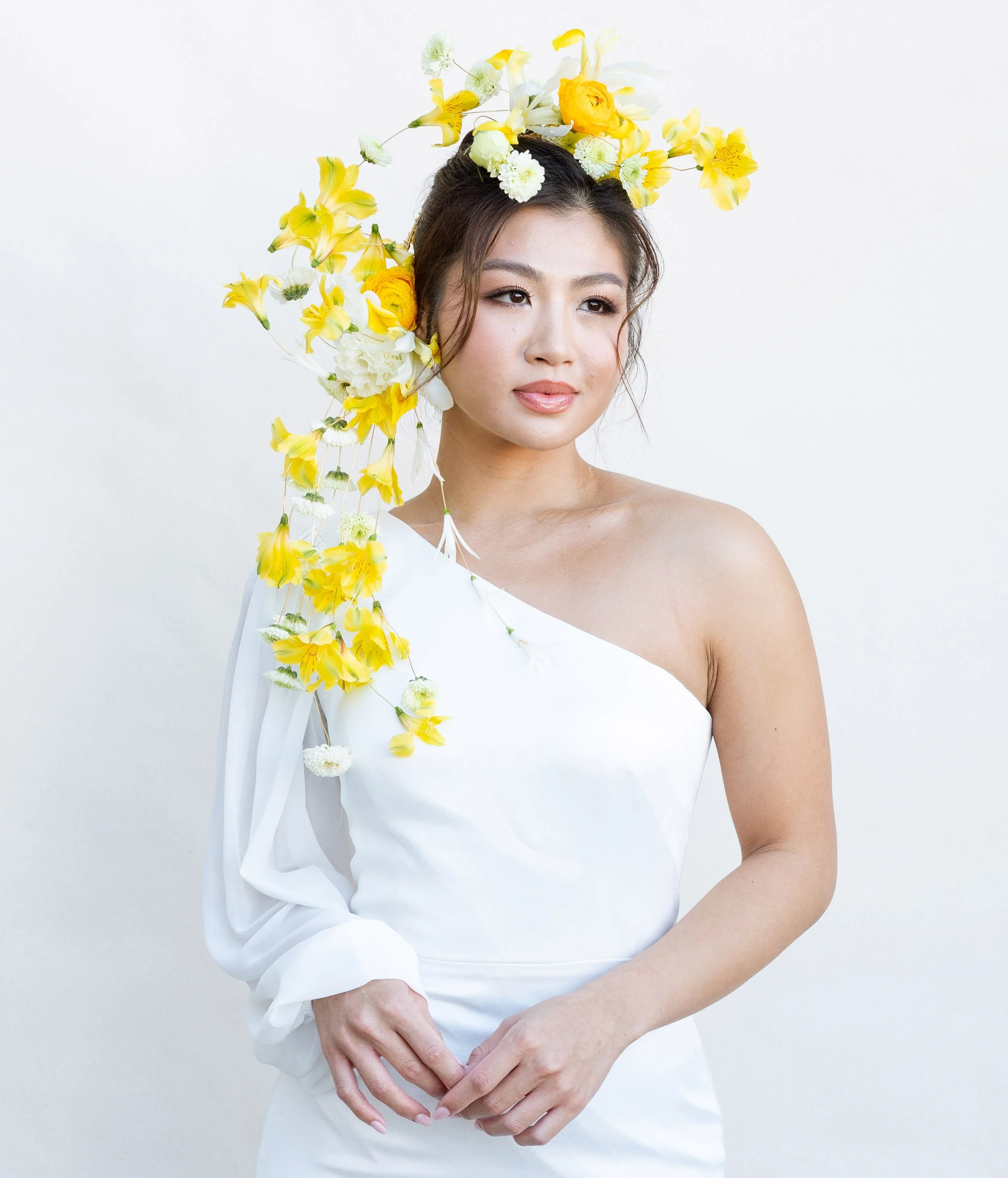
THE SECRET LIFE OF FLOWERS ON THE PLATE
In the early morning, before the Central Valley heat arrives, the flowers are most alive. Holding the night’s coolness, this is when edible flowers are harvested—beginning their farm-to-table journey and revealing how timing and technique shape their culinary value.
Peppery nasturtium, bright calendula, tiny violas, and the first basil blossoms fill the harvest baskets. In spring, more than twenty edible flower varieties are available, gently gathered and quickly packed—meant for the plate, not a vase—as they head for the kitchen.
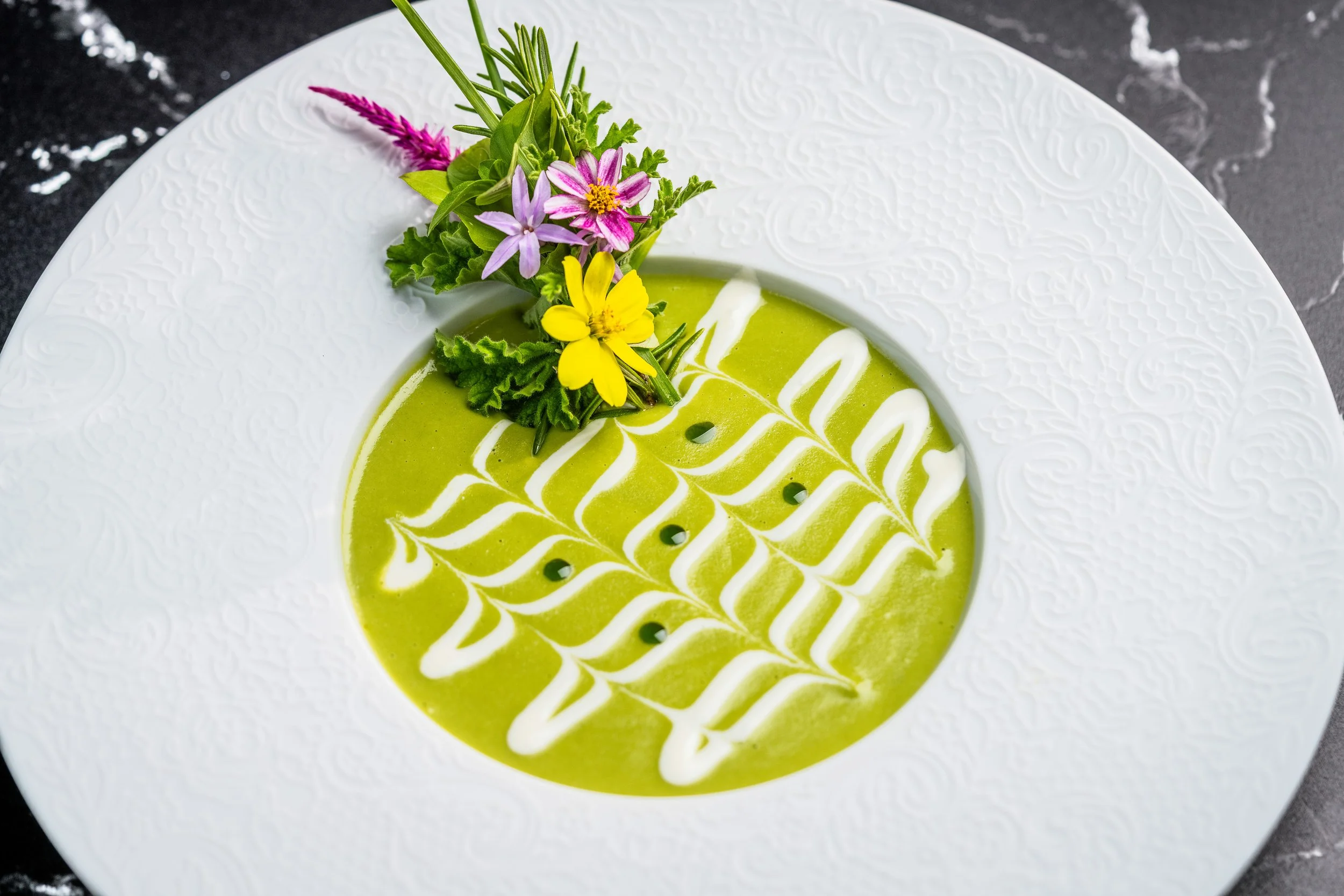
To many, flowers on a plate seem like simple decoration. But in thoughtful kitchens, they are used as ingredients for flavor, aroma, and balance, much like herbs or specialty greens. Locally, Magnolia’s Yarden grows gourmet edible flowers for culinary use, giving Central Valley residents and chefs alike the opportunity to experiment with this blooming delicacy.
Flowers with Flavor
Edible flowers carry flavors that often surprise on first taste. Used this way, flowers become more than decoration—they bring flavor, fragrance, and a sense of season to the plate.
Nasturtium brings a lively, peppery bite, complementing seafood or waking up a simple spring salad when petals are scattered across the plate. Calendula adds warmth and a subtle tang, along with its golden hue, often folded into butter, fresh pasta, or rice, where the petals’ color shines brightest.
Herb blossoms behave much like the plants they come from. Basil blossoms carry familiar fragrance, but in a lighter, more floral form.
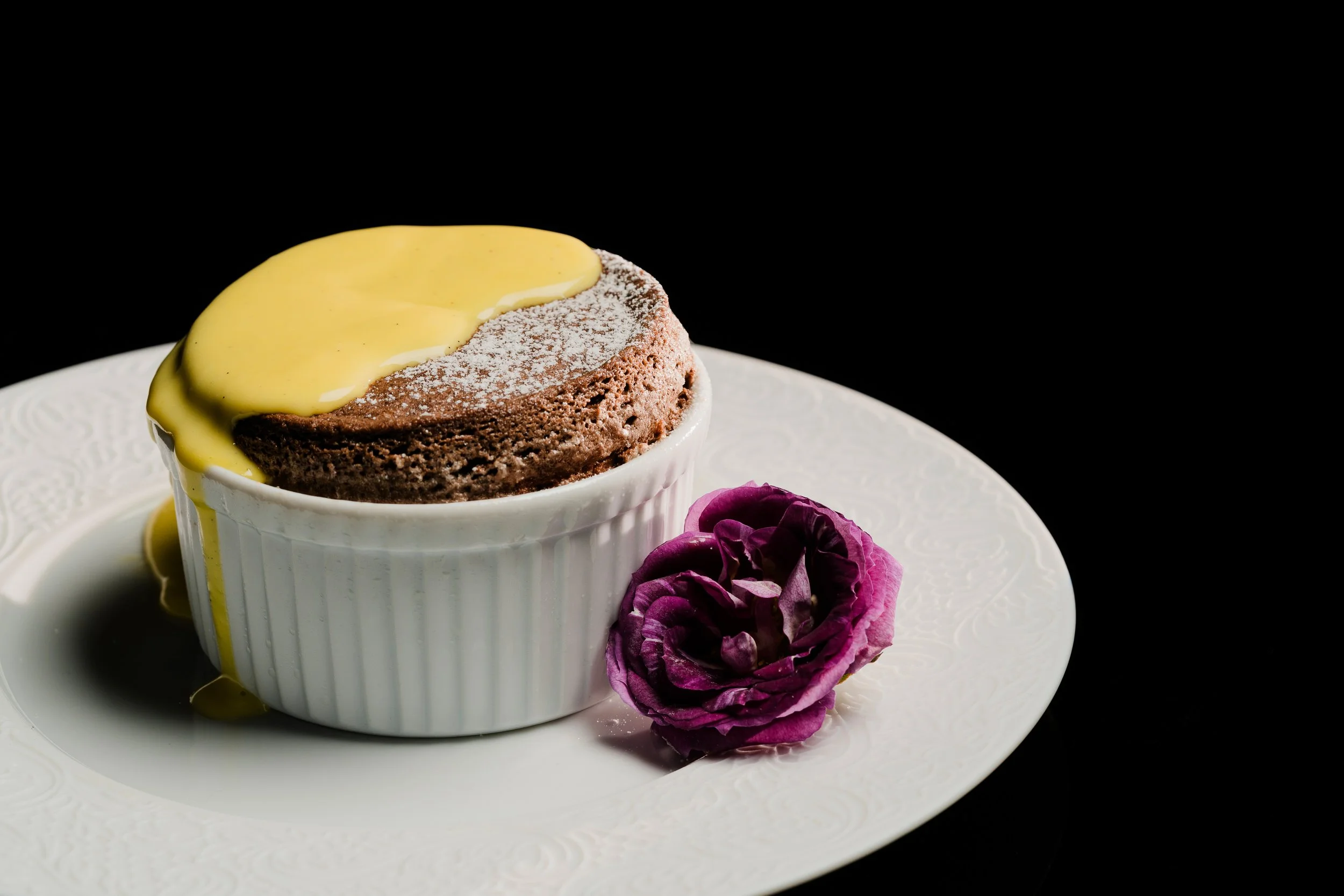
Roses are perhaps the most recognizable. A few petals folded into whipped cream release a soft scent that lifts a dessert without overpowering it. Basil blossoms resting on warm pasta act similarly, releasing their aroma just as the dish reaches the table.
April in Clovis, California
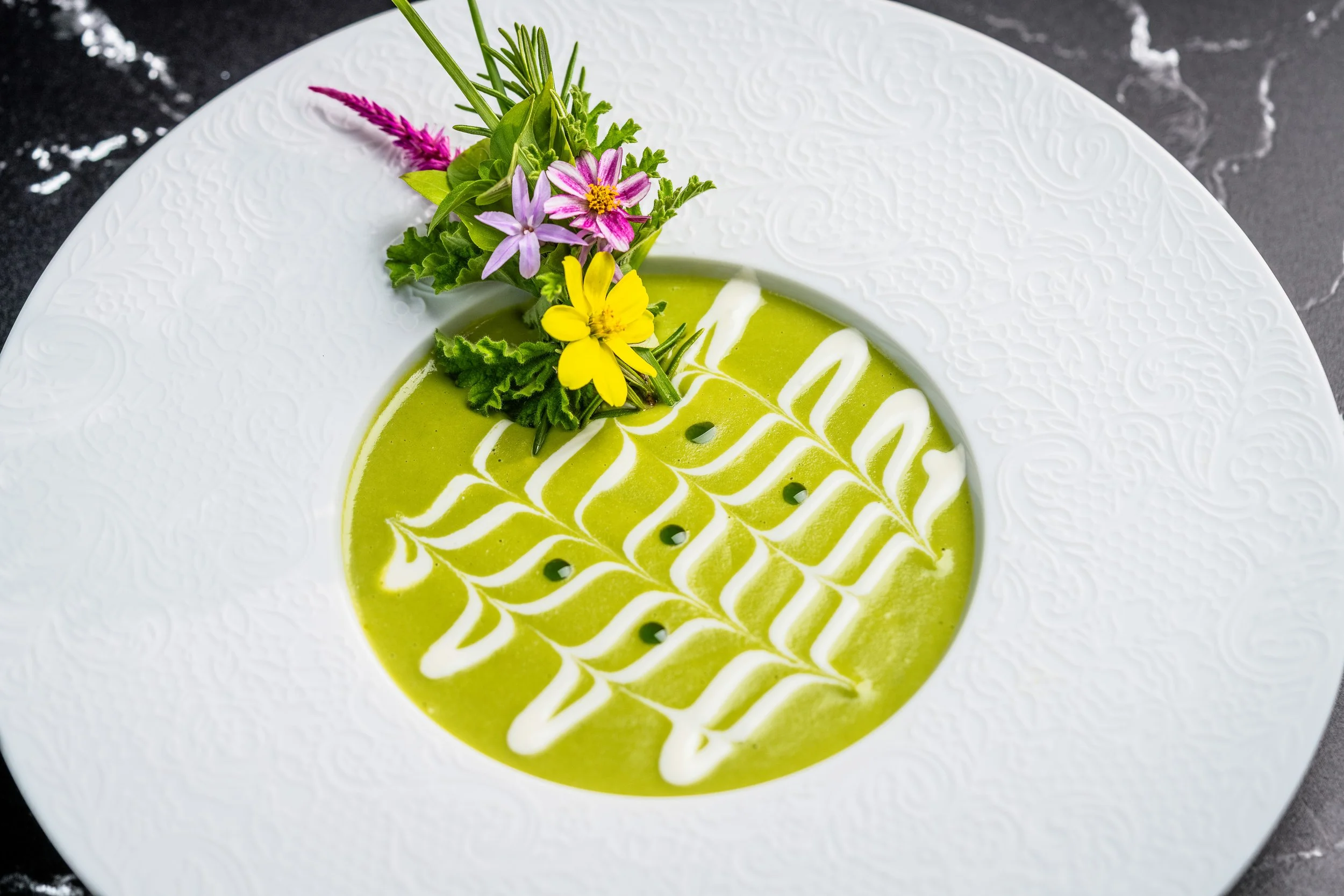
In April, Magnolia’s Yarden in Clovis transforms into an edible botanical garden, as large roses open in the morning and sweet alyssum cascades over raised beds.
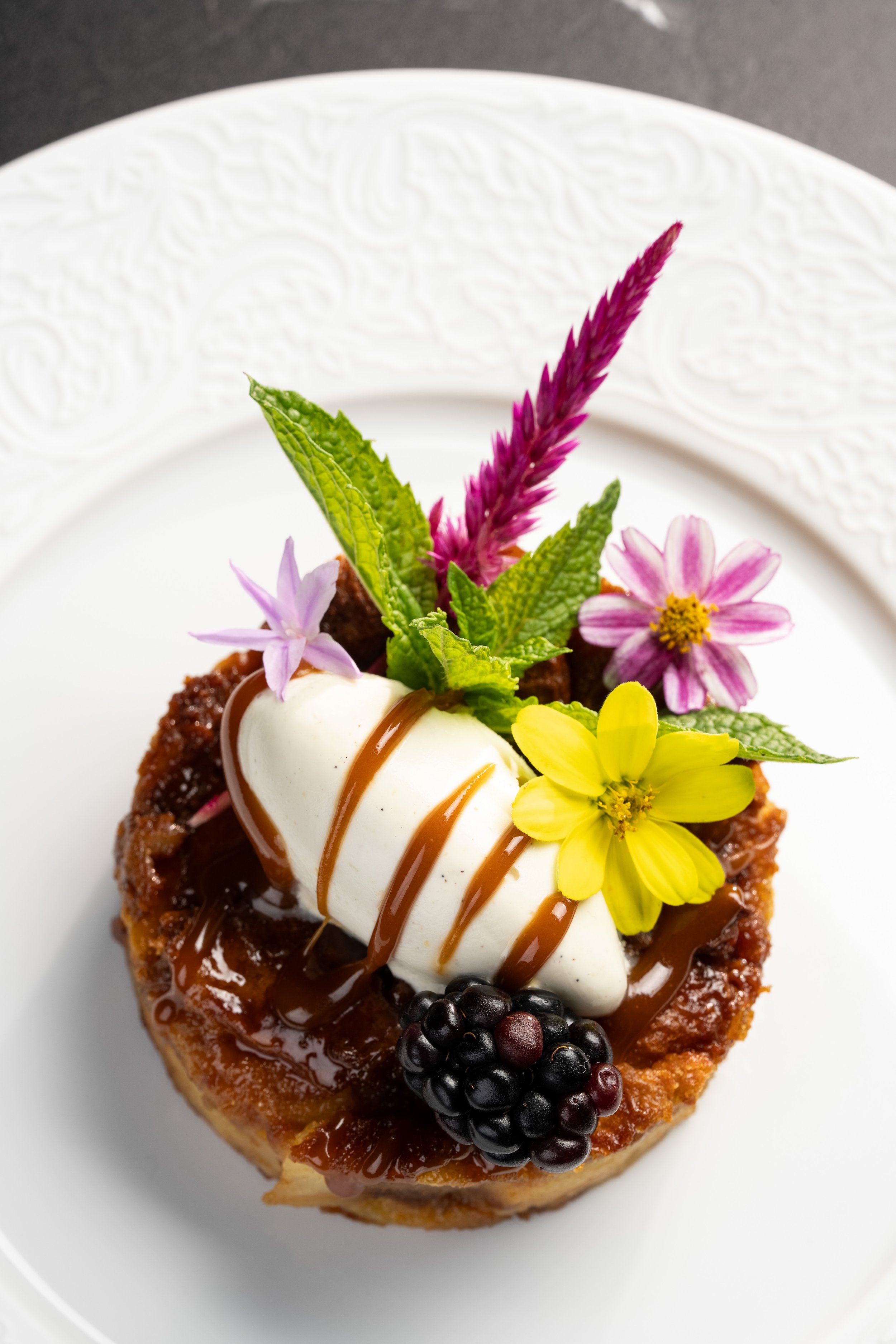
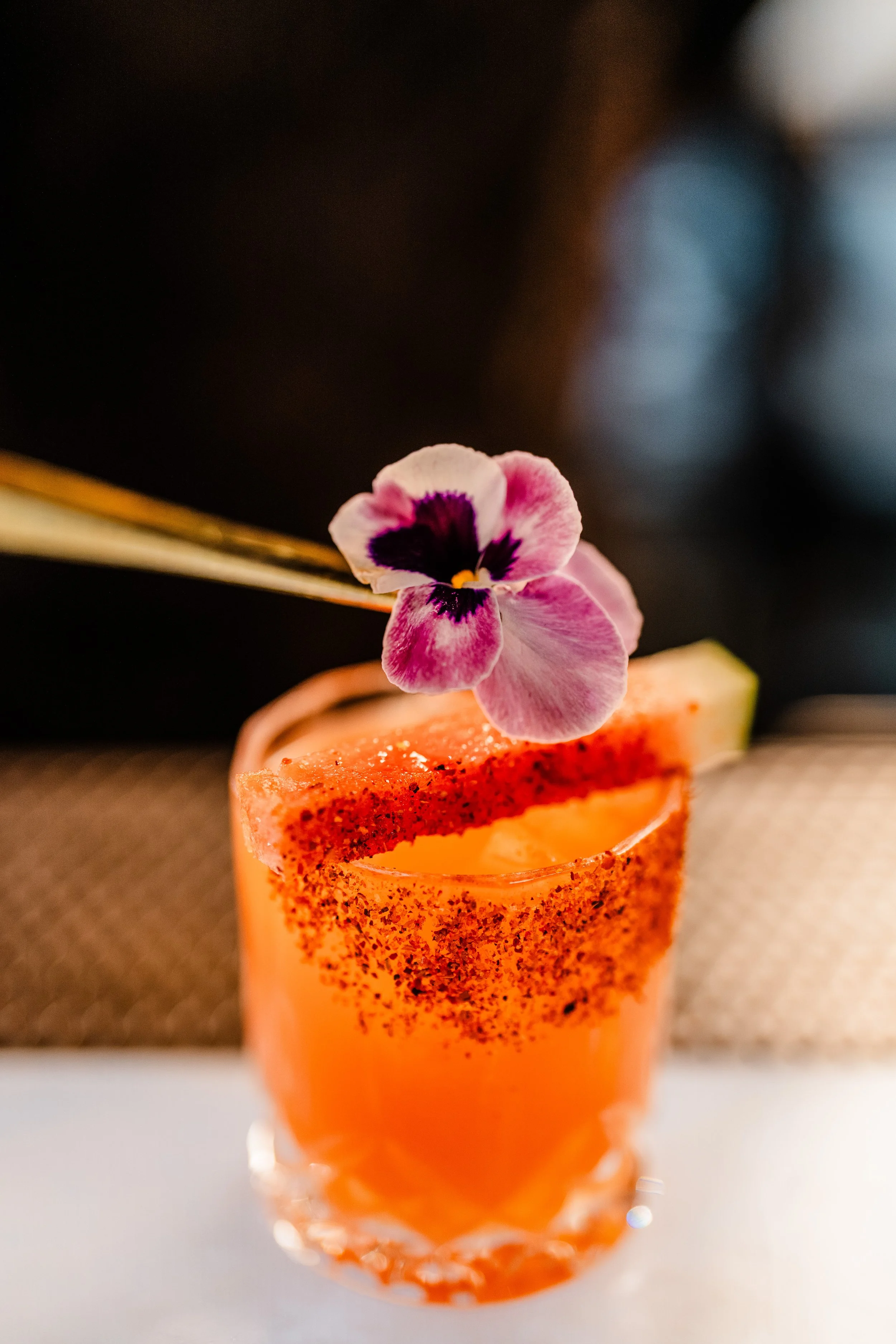
In restaurant kitchens, edible flowers appear in abundance. From one kitchen to the next, they take on roles curated by each chef—petals scattered through ice cream, calendula woven into pasta, rose folded into whipped mascarpone beside a delicate shortbread tart, and hibiscus-like blooms floating atop a chilled cocktail—all signaling the arrival of spring.
In the home kitchen, hosts welcome guests with champagne coupes kissed with a viola blossom, offering small bites finished with daisies or pansies. A tray of butter infused with petals, or a butter candle beside warm bread, becomes a centerpiece. For dessert, petite pavlovas topped with fruit, sugared rose petals, and fresh mint feel simple yet celebratory at bridal showers and weekend gatherings.
When a Plate Becomes Memorable
While flowers naturally stimulate the senses—making dining more memorable and uplifting—chefs are using them as true ingredients, not just garnish. A simple bloom becomes something more. It connects the meal to culture, to season, and to the region where the ingredients were grown.
Across culinary traditions, flowers have long held value: rose scents Middle Eastern sweets; squash blossoms are stuffed and fried in Italy or folded into quesadillas in Mexico; chrysanthemum appears in broths, teas, and dishes across East Asia for its gentle bitterness.
Today, culinary professionals continue this tradition in thoughtful ways. A scattering of petals can add contrast to a plate, while a single bloom may bring color, fragrance, or balance. These small details invite guests to notice the ingredients before they taste.
The Yarden Behind the Plate
Not all edible flowers thrive in every growing region. The Central Valley, largely within USDA Hardiness Zones 8a to 9b, is defined by hot, dry summers and mild, wet winters—conditions ideal for a long growing season. Magnolia’s Yarden grows with the seasons, making each harvest, and each menu, uniquely timed to the moment.
Among the varietals locally grown are nasturtium, calendula, basil blossoms, violas, roses, sweet alyssum, and more. Each is selected for its flavor, fragrance, and performance on the plate, and is food-safe for use on both ceramic and glass. Consider this an invitation to discover the secret life of flowers on the plate—a small detail that transforms a dining experience, connecting guests to season, place, and the quiet beauty of what’s grown close to home.
Features Contributor Danielle Fischer
Photos courtesy of Magnolia’s Yarden