STEWARDING THE RIVER
A Legacy Along the San Joaquin
The center of California is defined by its agricultural richness and expansive landscapes. Here, the San Joaquin River Parkway & Conservation Trust stands as one of the Central Valley’s most meaningful legacies—quietly preserving the natural beauty, history, and accessibility of the San Joaquin River for generations to come. What began as a vision to protect a vital stretch of riverland has evolved into a dynamic organization that blends conservation, education, and community connection in a way few places can.
The story of the Parkway is rooted in foresight. In the late 1980s, community leaders recognized that the San Joaquin River—long central to the Valley’s identity—was at risk of being lost to unchecked development and environmental decline. Among those who helped shape its early direction was Coke Hallowell, whose leadership and dedication to land stewardship played a pivotal role in bringing the vision of a protected river corridor to life. Her influence helped guide the formation of a non-profit structure that would ensure the land remained accessible, protected, and thoughtfully managed.
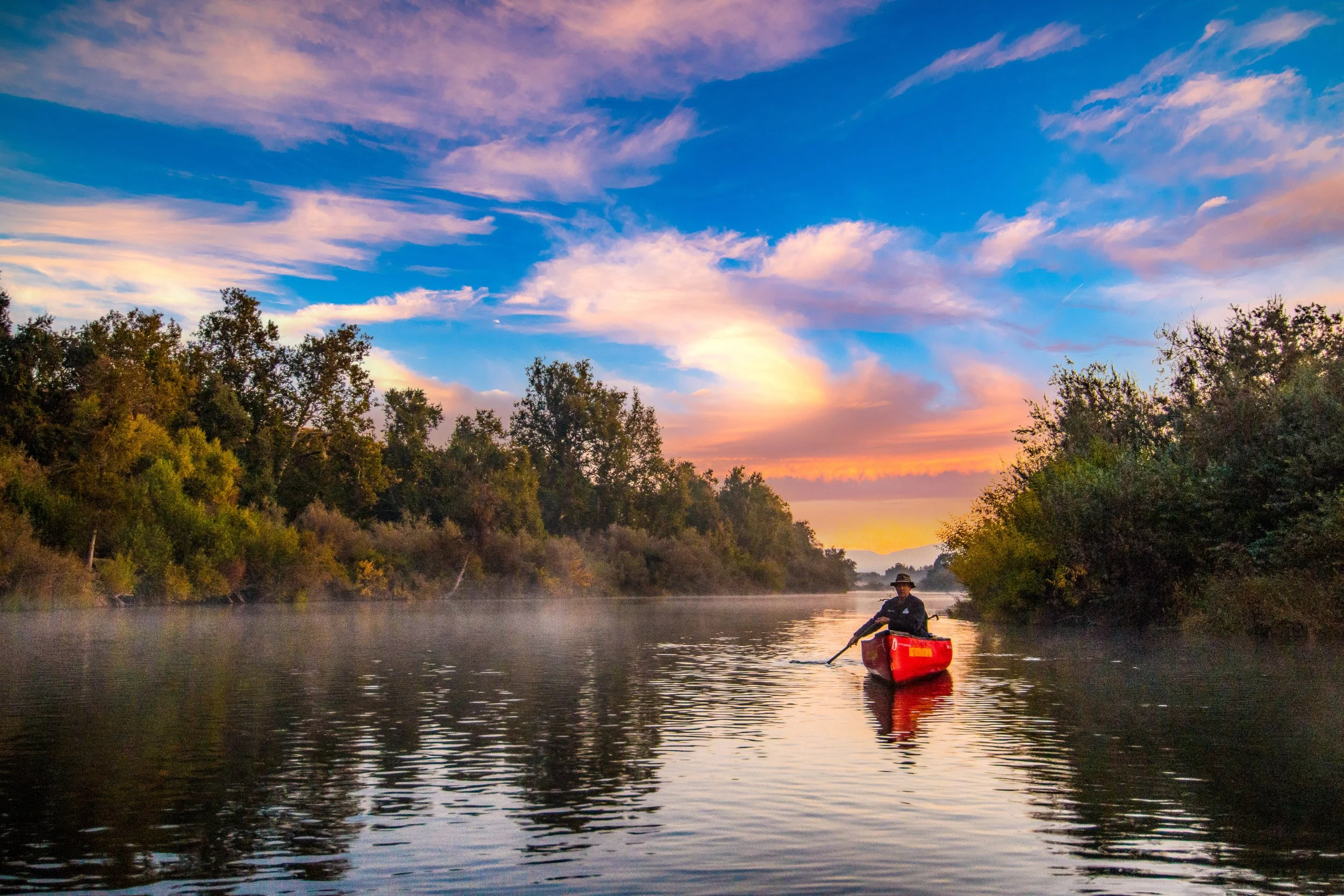
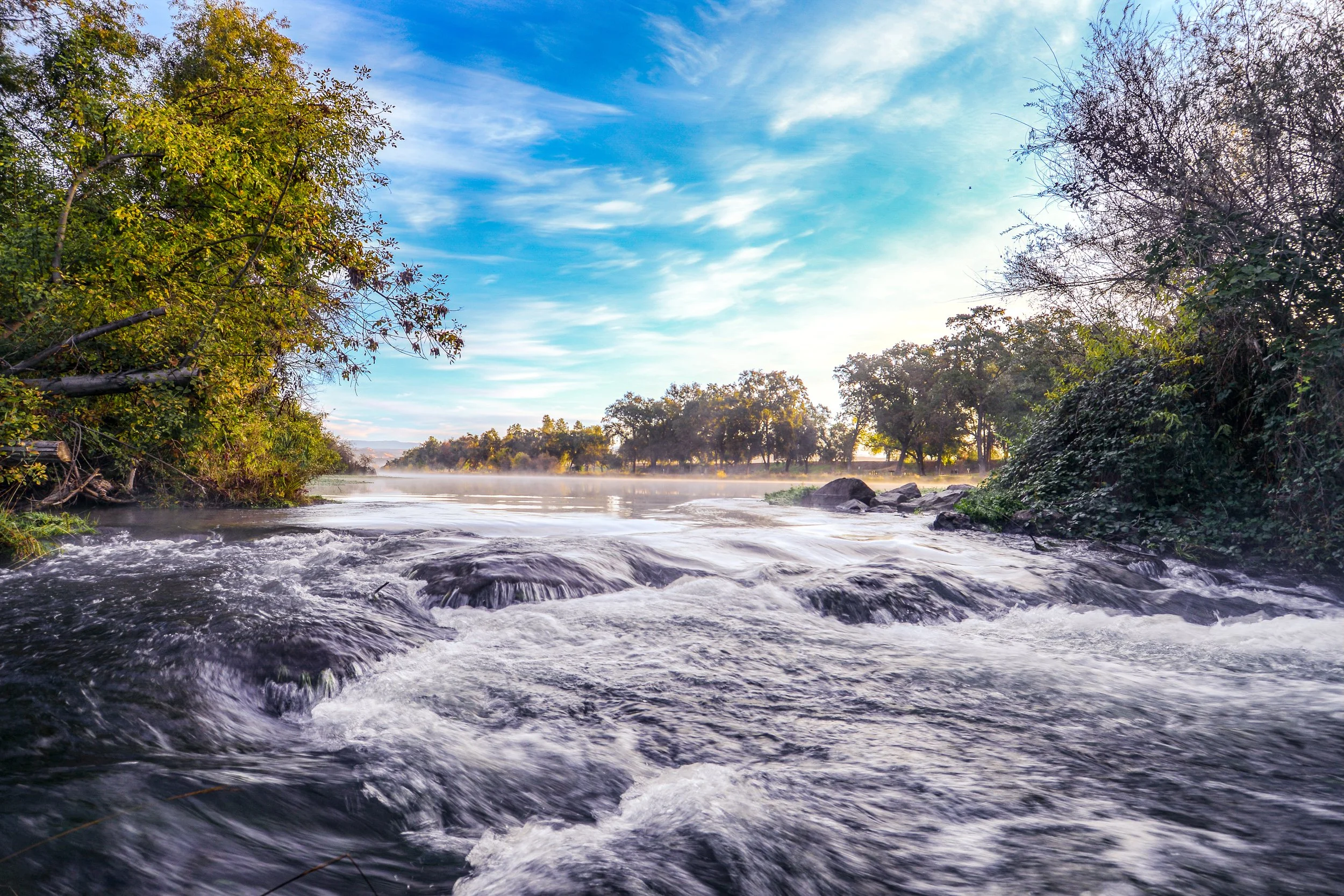
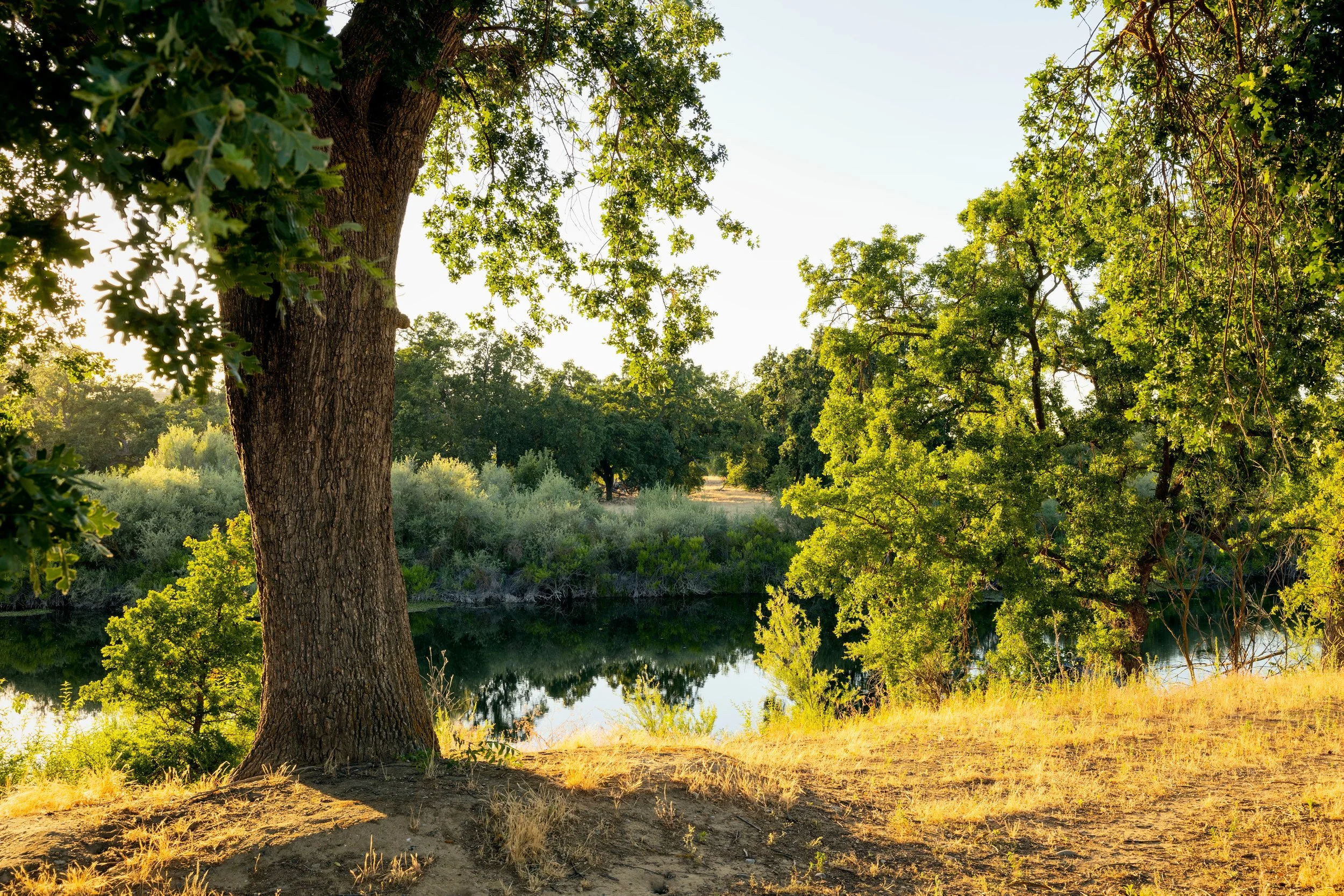
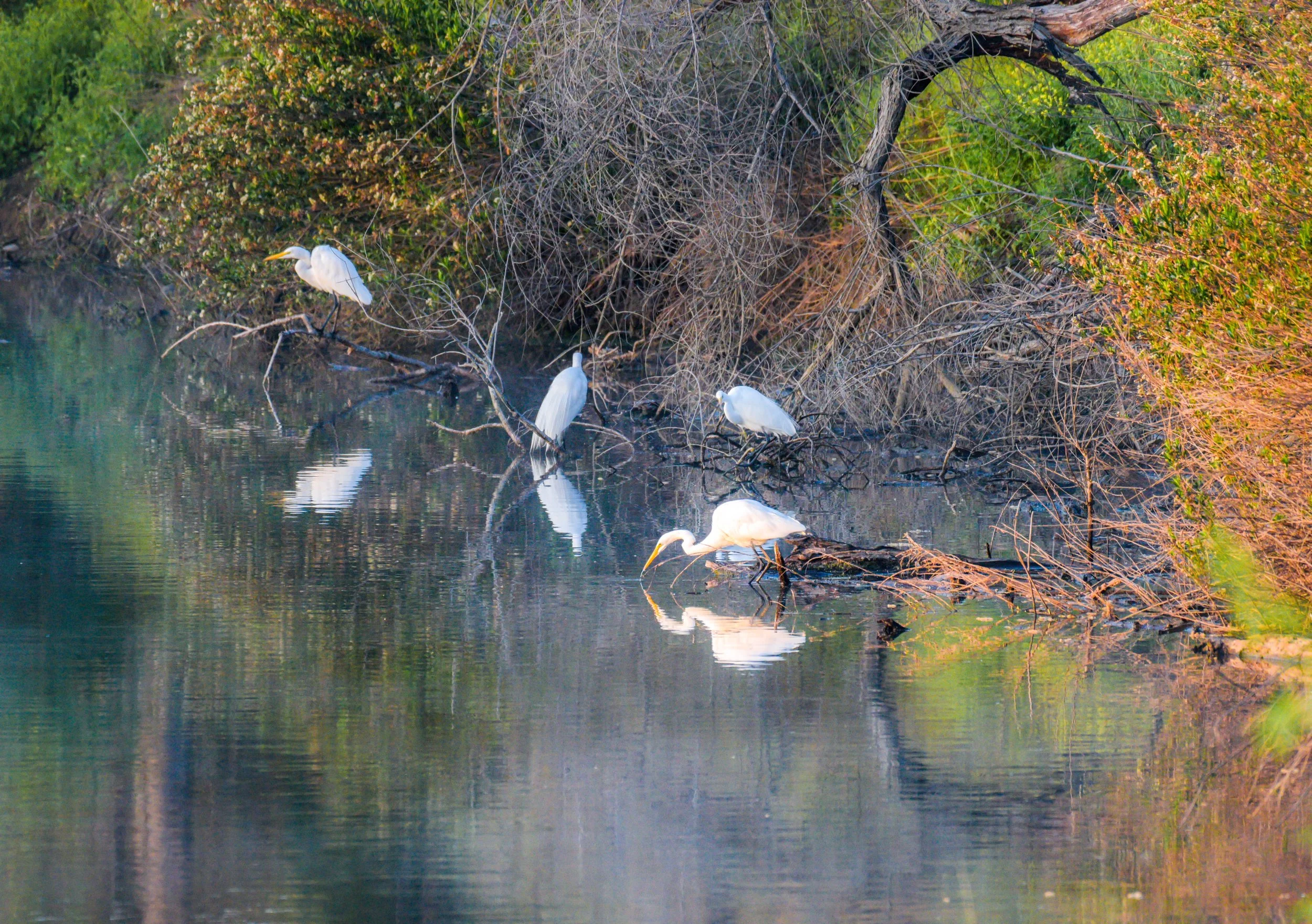
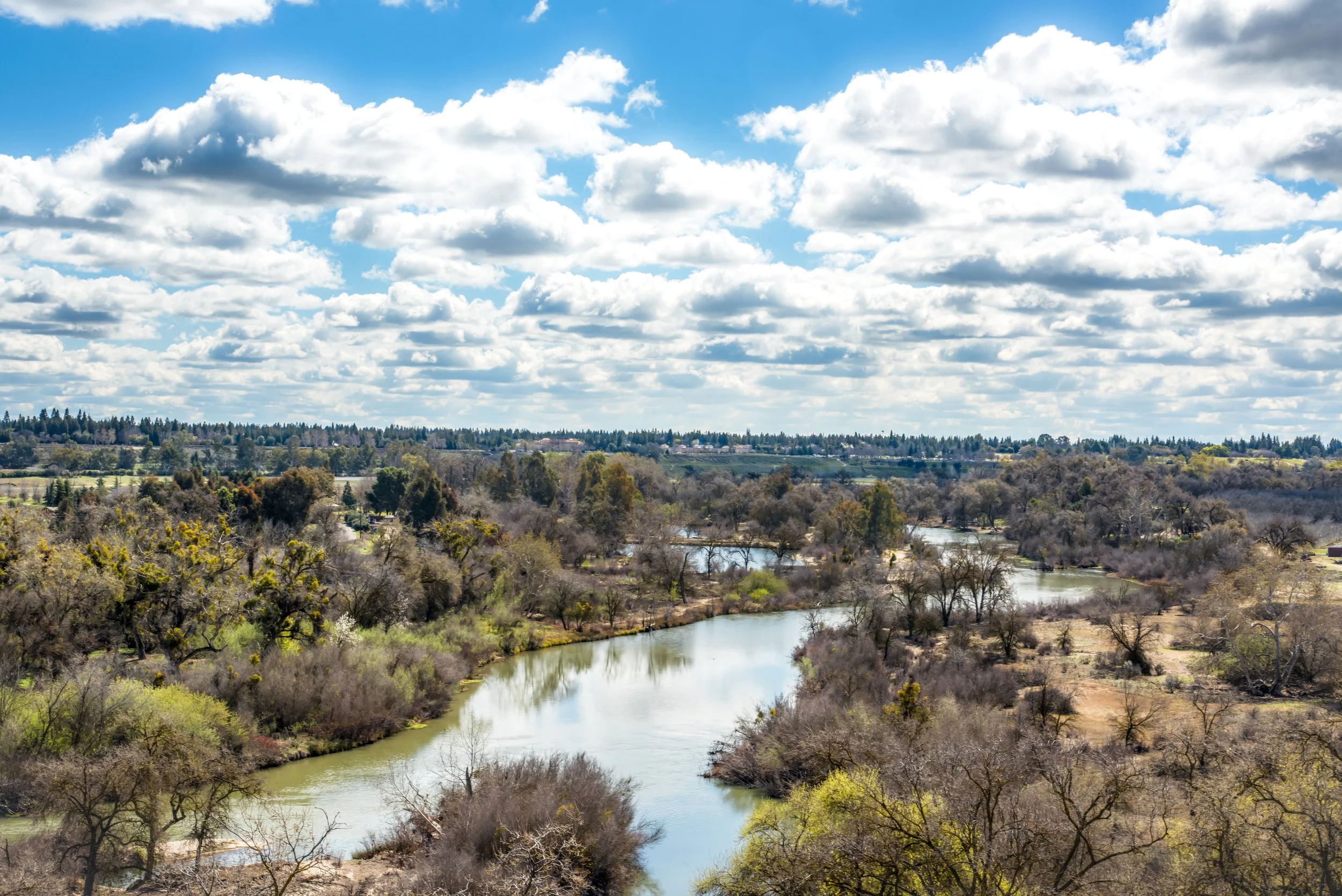
Today, the Parkway spans approximately 22 miles along the San Joaquin River, stretching from Friant Dam westward toward Highway 99, weaving through Fresno and Madera counties. Within this corridor lies a remarkable blend of habitats—oak woodlands, riparian forests, wetlands, and open grasslands—each contributing to a thriving ecosystem that supports native wildlife and plant species. But the Parkway is more than preserved land—it is an invitation.
Visitors can explore a network of trails that wind through scenic riverbanks and shaded groves, offering opportunities for walking, running, birdwatching, and quiet reflection. Picnic areas and interpretive sites provide spaces for families to gather, while educational programs bring students and community members into direct contact with the natural world. The Trust has also developed access points such as Sycamore Island, Lost Lake Park, and Sumner Peck Ranch, each offering a distinct experience of the river’s landscape and history.
4,716 Acres
Stewarded by the River Parkway Trust
10,219 Hours
of volunteer service in 2020
26,243 Visitors
To River Parkway Trust properties in 2020
The organization’s commitment to accessibility is central to its mission. By maintaining open, welcoming spaces, the Parkway allows residents of the Central Valley to engage with nature in a way that feels both immediate and personal—something increasingly rare in rapidly developing regions. “On the economic development side, it’s important to know that outdoor recreation is a $1.2 trillion industry in the US. Investing in parks and open space makes sense on every level,” asserts Sharon Weaver, Executive Director of San Joaquin River Parkway & Conservation Trust, Inc.
“Open space is important to our economy and public health,” she goes on. “The Trust for Public Land’s 2023 report titled The Power of Parks to Promote Health, cites numerous studies linking parks and open space to improved physical and mental health, both through an increase in physical activity and increased social connections. They also note that lack of access to greenspace contributes to health inequities.”
Equally important is the Trust’s role as an educational steward. Through field trips, volunteer programs, and hands-on conservation initiatives, the organization fosters a deeper understanding of environmental responsibility. Schoolchildren visit the Parkway to learn about ecosystems, water systems, and local history—lessons that extend far beyond the classroom.
This focus on education ensures that the Parkway’s impact is not only felt today, but carried forward by future generations who understand its value. “Education for elementary-school aged children was one of the first initiatives of the Parkway when it was formed back in 1988,” recounts Sharon. “A partnership of three local school districts—Fresno Unified, Madera Unified, and Clovis Unified—resulted in curriculum used for school field trips to the river.”
Those field trips are still happening today and are responsible for introducing thousands of children and their chaperones to the wonders of the San Joaquin River. “Our education programs have expanded to include summer, fall, winter, and spring camps for children from preschool through high school. We’ve had the opportunity to watch many of our river campers grow up through the program, become summer staff for the Parkway, and then pursue degrees in science and outdoor recreation fields that are directly related to their early experiences on the river. It’s a great career-training pipeline!” Sharon says.
At its core, the San Joaquin River Parkway & Conservation Trust operates on a simple but powerful philosophy: that conservation and community are not separate endeavors, but deeply interconnected ones. Events hosted throughout the year—from guided nature walks and seasonal festivals to fundraising gatherings—bring people together in celebration of the land. These moments transform the Parkway from a protected space into a shared experience, reinforcing its role as both a natural and cultural asset.
Coke Hallowell’s legacy is particularly evident in this balance. Her belief in thoughtful stewardship extended beyond preservation—it embraced the idea that land should be lived in, learned from, and appreciated. Under her influence, the Parkway became not just a protected corridor, but a place where people could form meaningful connections with their environment.
“Coke was originally inspired by a newspaper article about the possibility of creating a Parkway on the San Joaquin,” Sharon explains. “She became a founding board member and her political and community connections helped build widespread support for Parkway in the early years. Coke had the idea to preserve Riverview Ranch on Old Friant Road as a nature center for the community. We’re thrilled to see the way that the River Center has grown from the time of her early vision to be a major hub of activity on the Parkway.”
Today, the River Center includes the ranch house (which has interpretive exhibits focused on the natural and cultural history of the Parkway), the Hidden Homes Nature Trail, a portion of the Lewis S. Eaton Trail mainstem trail, an event facility, and landscaped grounds that are open daily for public enjoyment. “In the not-too-distant future,” Sharon shares, “we hope to have a trail connection from the River Center out to Owl Hollow, a property on the river’s edge.”
In an era where development often outpaces preservation, the Parkway stands as a reminder of what is possible when a community chooses to invest in its natural heritage. It offers a counterbalance to the built environment—a place where the rhythm of the river, the rustle of leaves, and the presence of wildlife create a sense of grounding and continuity.
The benefits to the Central Valley are both tangible and intangible. Environmentally, the Parkway protects critical habitats and contributes to the health of the river system. Socially, it provides a space for recreation, reflection, and connection. Economically, it enhances the region’s appeal, offering residents and visitors alike a unique destination rooted in authenticity.
“In our relatively park-poor region, we believe that the Parkway is critical to recruiting new professionals and businesses to relocate to the San Joaquin Valley,” understands Sharon. “We know of a multi-national corporation that chose Fresno as a regional headquarters specifically for access to the Parkway, and Valley Children’s Hospital has become a major advocate for the Parkway in its effort to recruit doctors to the region.”
The Parkway has done much to enhance the regional identity of the Central Valley. “In order to fully appreciate the quality-of-life benefits of the Parkway, we must ensure that Parkway lands are not only accessible, but safe and well-managed,” Sharon continues. “We work tirelessly with our public agency partners to create funding for operations and maintenance on the Parkway, and spur them on to improved operations through constant advocacy and participation in land management activities.”
And there’s still more to come. “The San Joaquin River Parkway will someday include a continuous trail system connecting open space areas along the river from Friant Dam to Highway 99. At full build-out, the Parkway will provide opportunities to explore and experience the river in vibrant natural areas with clean restrooms and trails. Regular safety patrols by volunteers and rangers will provide education and assistance to visitors. Land conservation will provide protection for the unique plant and wildlife species found throughout the river corridor by preventing the conversion of open space to urban uses.”
As the San Joaquin River continues its course through the Central Valley, so too does the work of the Trust. “Our vision for the Parkway includes timeless amenities to improve quality of life in the San Joaquin Valley: a healthy river ecosystem filled with wildlife, walking trails throughout the 22-mile parkway, multiple pedestrian bridges, education programs, bicycle and boat rentals, and thousands of people benefiting from the physical and mental health benefits accruing from time spent in nature,” Sharon attests.
Steady, intentional, and deeply rooted in purpose, the Parkway is not simply a place—it is a legacy in motion, shaped by those who had the foresight to protect it and sustained by those who continue to care for it today. In honoring that legacy, the San Joaquin River Parkway & Conservation Trust reminds us that the most enduring investments are not always measured in what we build, but in what we choose to preserve.
Editorial Director Lauren Barisic
Photographers David Hunter & Parkway